
How AI is Transforming Medical Education for the Future
The Role of AI in Modernizing Medical Training
Revolutionizing Hands-On Learning with AI
Imagine stepping into a medical training session where instead of flipping through outdated textbooks, you’re greeted by a cutting-edge virtual assistant. That’s the magic of AI-driven simulations. Picture this: a medical student practicing surgery on a hyper-realistic virtual patient, complete with a beating heart, shifting organs, and even real-time feedback on technique. It’s not science fiction—it’s happening now. Why is this groundbreaking? Because students no longer have to wait for rare opportunities in crowded clinical settings. They can master critical procedures in a risk-free environment, as many times as they need. Here’s how AI is shaking things up:- Personalized learning paths: AI analyzes each student’s progress and adjusts lessons to focus on their weak spots.
- Instant feedback: Whether it’s identifying an incorrect diagnosis or refining surgical precision, AI offers corrections on the spot.
AI-Powered Tools and Technologies in Medical Education
Game-Changing AI Tools Shaping Medical Learning
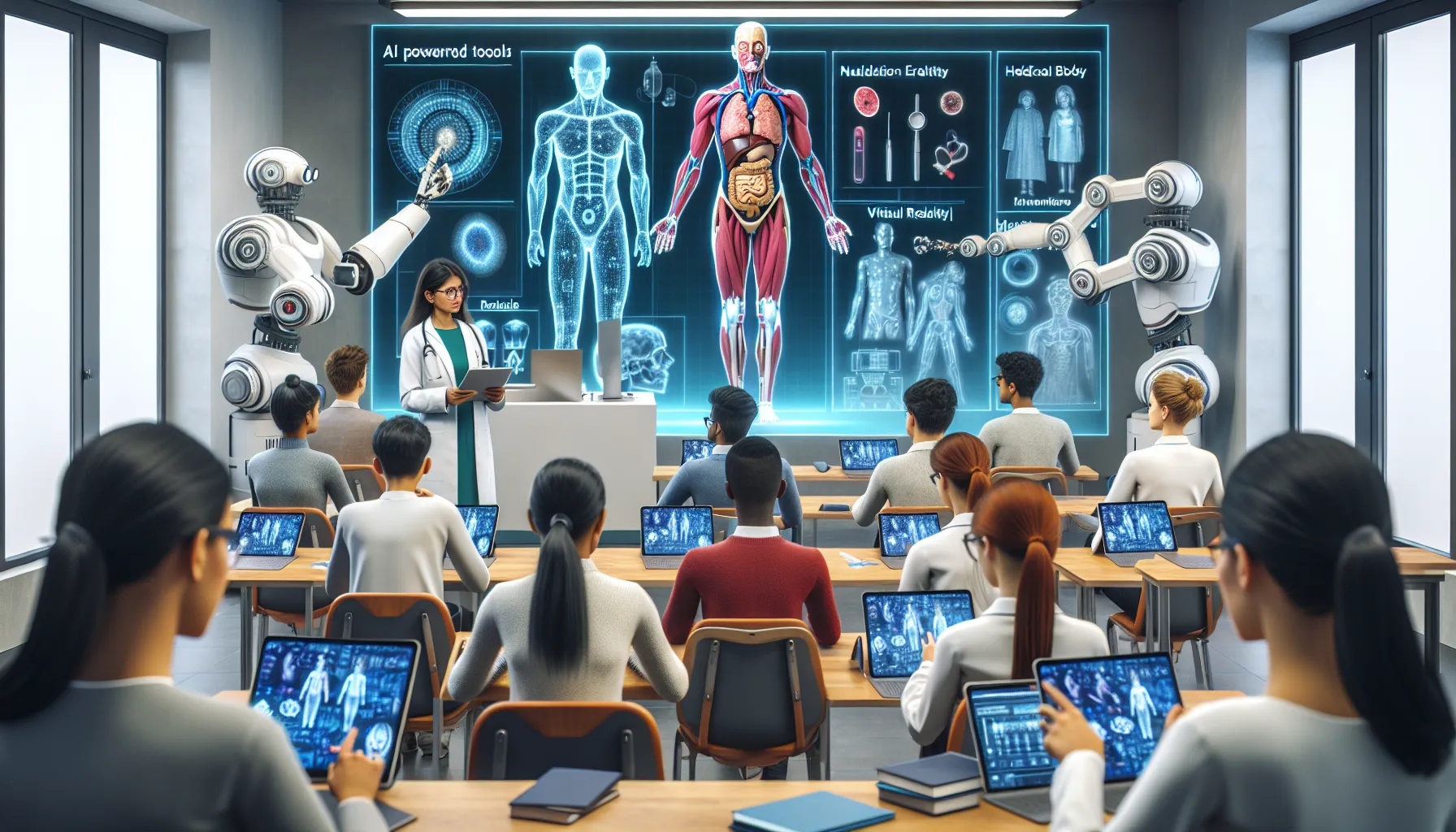
Imagine stepping into a medical classroom where the future of healthcare unfolds at your fingertips. Thanks to AI-powered tools, today’s students are no longer confined to dusty textbooks or static lectures. Instead, they’re engaging with interactive, hyper-personalized technologies that feel almost like having a personal mentor in their pocket. One standout example? Virtual patient simulators. These AI-driven platforms allow aspiring doctors to "treat" lifelike patients who react, improve, or worsen based on the student’s decisions. It’s like practicing medicine in a risk-free sandbox, sharpening diagnostic skills without ever touching a scalpel. And let’s not forget about adaptive learning platforms. These brilliant systems analyze each student’s strengths and weaknesses, tailoring quizzes, flashcards, and study guides to fit their unique needs. Imagine being nudged toward mastering cardiology because the system noticed you nailed neurology but stumbled on ECG interpretations.- Chatbot tutors: Need a late-night crash course on pharmacology? AI chatbots are there, breaking down complex topics with patience that never runs out.
- AR and VR training: Dive into virtual anatomy labs where organs come alive in 3D, letting you explore every vein and artery in exquisite detail.
Benefits of AI Integration in Learning for Medical Students
Revolutionizing the Study Process
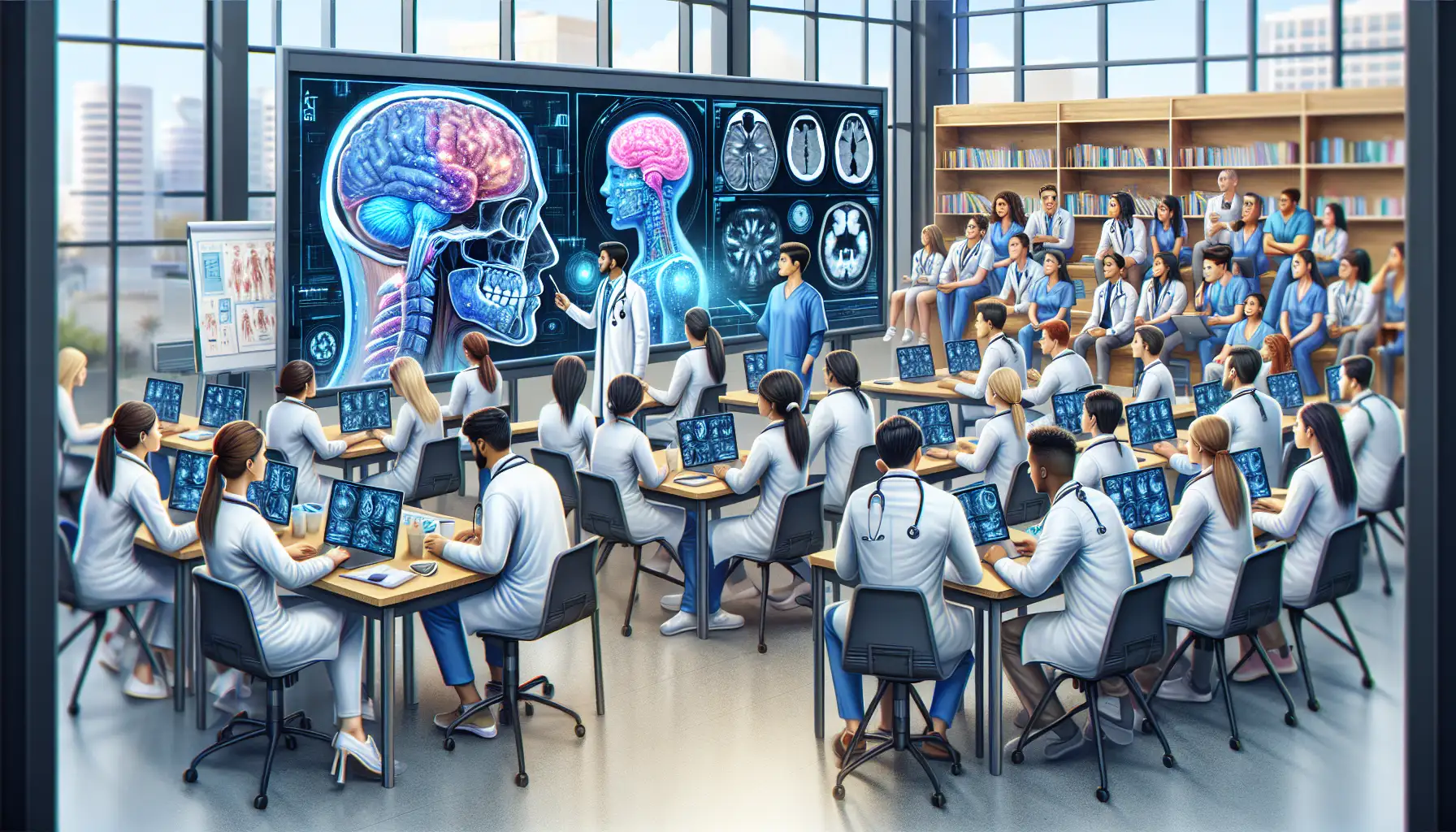
Imagine diving into your medical textbooks, but instead of flipping through dense pages, you're guided by a virtual mentor that feels like it's been tailor-made for you. That’s the magic of integrating AI-driven tools into medical education. These systems don’t just regurgitate facts—they analyze your strengths and weaknesses, creating study plans that feel as personal as a handwritten note. Struggling to memorize the cranial nerves? AI can offer you interactive quizzes, real-life clinical scenarios, or even voice simulations that whisper “optic nerve” just when you need it most. And for visual learners, platforms can provide 3D models of the human body, spinning and zooming with a flick of your finger.- Custom flashcards generated based on your past mistakes.
- Detailed feedback on practice exams in real-time.
- AI tutors who speak in plain language, not medical jargon.
Challenges and Ethical Considerations in Using AI for Medical Education
The Unseen Hurdles in AI-Driven Learning
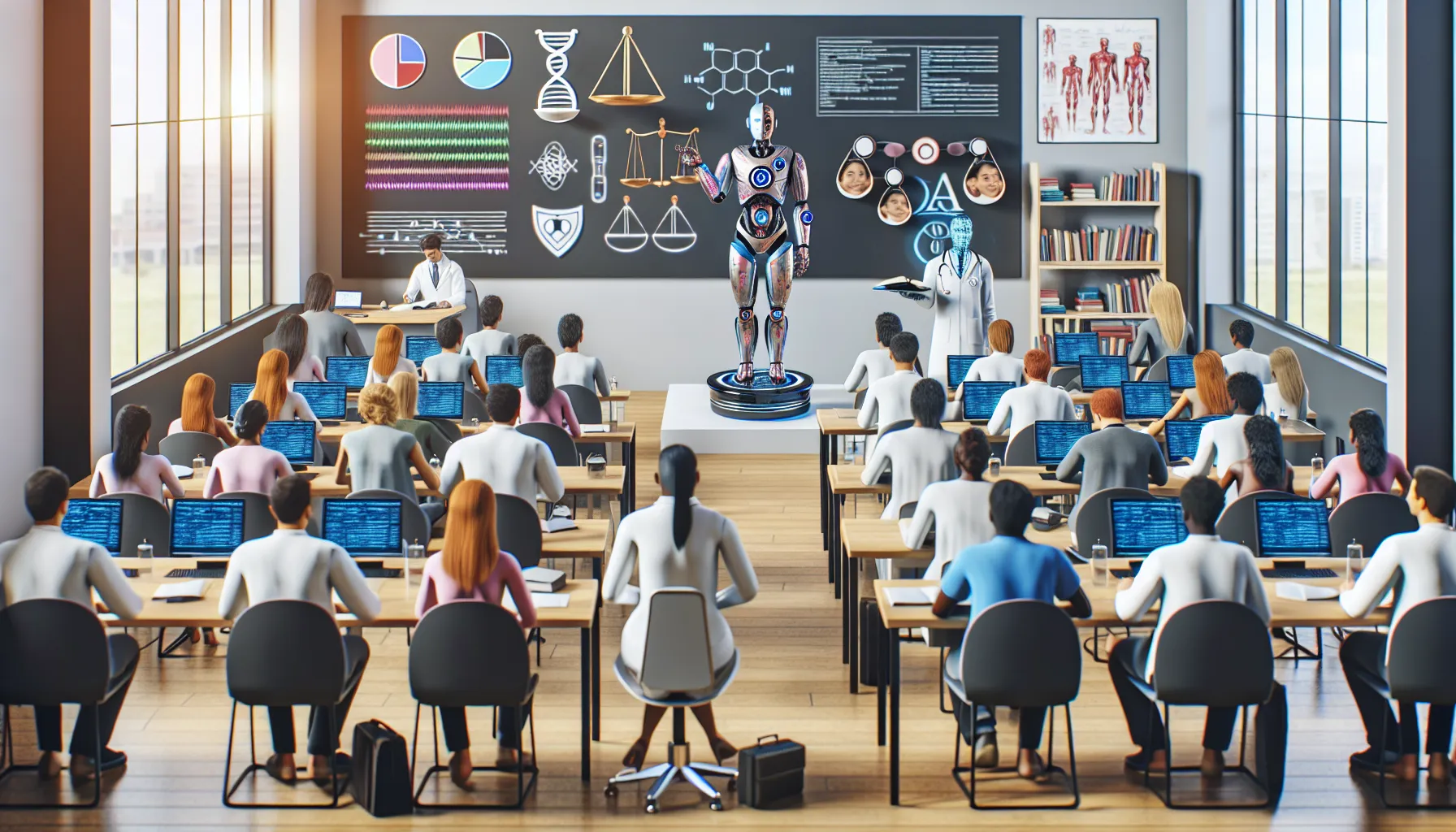
Picture this: a medical student sitting in front of an AI-powered simulation, practicing surgical techniques on a hyper-realistic virtual patient. Sounds futuristic and incredible, right? But beneath the shiny promise of innovation, there’s a layer of challenges that can’t be ignored. One of the thorniest issues? **Bias in AI algorithms**. Imagine if the data used to train these systems doesn’t represent diverse populations. What happens then? The system might excel at diagnosing conditions in one group but fail miserably for another. For aspiring doctors, this could lead to blind spots in their training—and that’s not just inconvenient; it’s dangerous. Then there’s the question of **human connection**. Can we really expect a future doctor to learn empathy or bedside manner from an algorithm? A cold, calculated machine can analyze symptoms, sure, but what about reading between the lines of a patient’s fear or discomfort? That’s where the heart of medicine lies.The Future of AI in Shaping Medical Education
Revolutionizing Learning with AI Tools
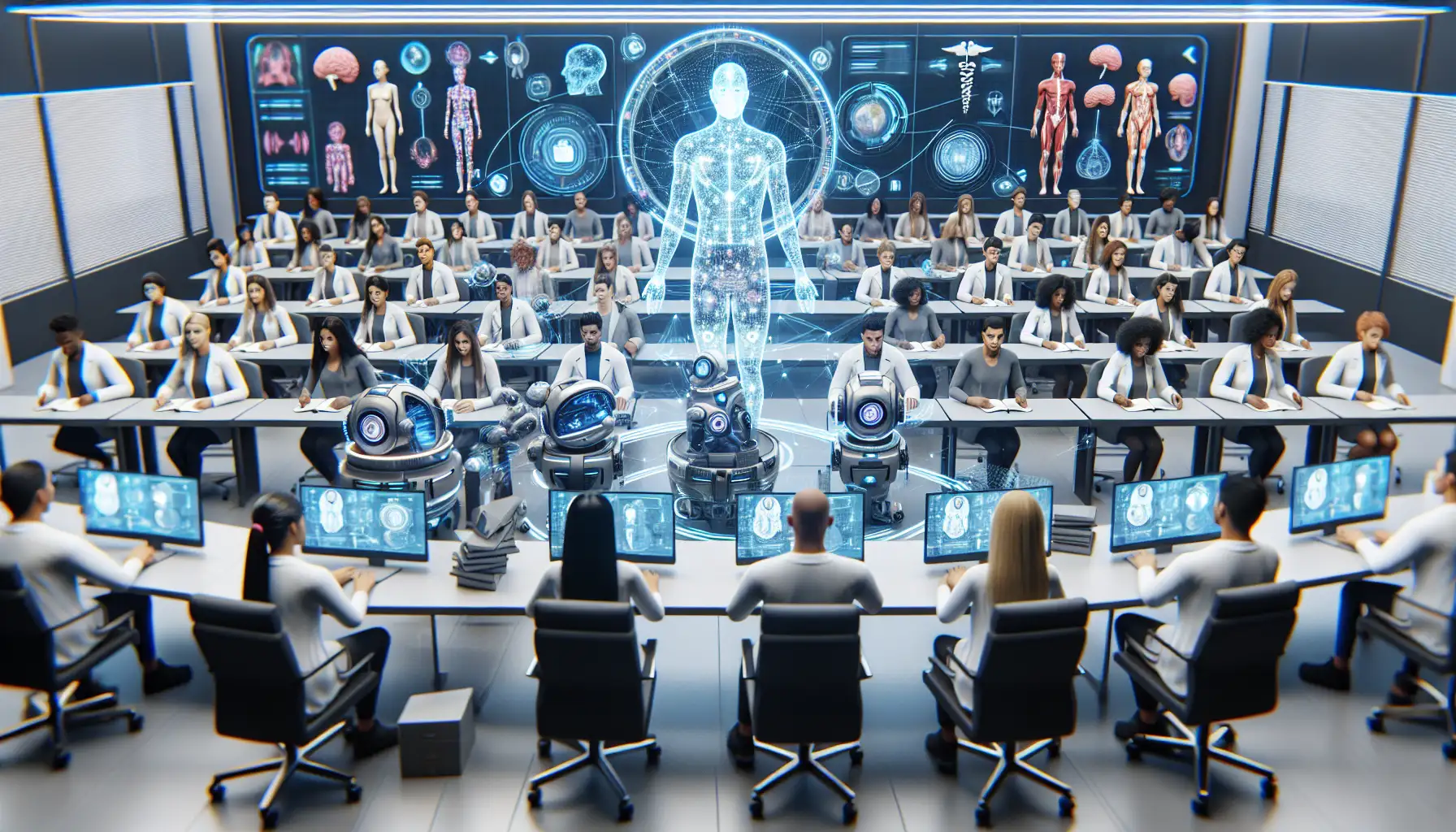
Imagine walking into a classroom where your teacher isn’t just human—it’s a cutting-edge AI mentor, ready to guide you through the complexities of anatomy or pharmacology. Sounds like science fiction? It’s not. AI-powered tools are reshaping how medical students learn, making education more interactive, personalized, and downright exciting. Picture this: instead of flipping through endless textbooks, you’re using an AI platform that adapts to your learning pace. Struggling with cardiology? The system shifts gears, offering you customized quizzes, interactive 3D heart models, and even virtual patient scenarios. Thriving in dermatology? It ramps up the challenge, introducing you to rare conditions you’d never see in a typical classroom. Here’s what makes it game-changing:- Real-time feedback: No more waiting weeks for grades. AI evaluates your performance instantly, showing you exactly where to improve.
- Accessible mentorship: Virtual tutors are available 24/7, turning late-night study sessions into productive breakthroughs.
Recent post:
Becoming a Private GP in the UK, Britwell
Emergency Medicine at Britwell
Navigating the Future of Medicine: A Guide to Cutting-Edge Medical Courses
Medical Student Life: Useful Tips to Get the Most out of Education
1971 Eisenhower Dollar Value: Key Factors Behind Its Pricing